Most people who walk into a casino or open an online lobby believe they're playing a fair game of chance against the house. They're half right. The chance part is real. The fair part is where things get complicated, because every game on that floor was engineered with a specific mathematical edge baked into it before a single card was dealt. Understanding that edge isn't about becoming a pessimistic player. It's about becoming a smarter one. Whether you're spinning slots at 2 a.m. or grinding a poker cash game online, the numbers underneath the felt are the same numbers that determine whether you walk away up or down over the long haul.
Every casino game carries a house edge, and it's not a secret. It's published, regulated, and mathematically verifiable. What most players don't internalize is how dramatically that small percentage compounds over hundreds or thousands of bets.
Take American roulette. The wheel has 38 pockets, but a straight-up bet pays 35-to-1. That two-pocket gap between the true odds (37-to-1) and the payout (35-to-1) produces a house edge of 5.26%. European roulette, with its single zero, cuts that to 2.7%. Same game, same excitement, roughly half the tax. A player betting $10 per spin for 500 spins faces an expected loss of about $263 on the American wheel versus $135 on the European one. That's not bad luck. That's architecture.
Now look at blackjack. Basic strategy, played perfectly, can reduce the house edge to roughly 0.5% in a standard six-deck game where the dealer stands on soft 17. That's ten times better than roulette. The catch is that "basic strategy" means memorizing a chart of roughly 250 decisions and following it exactly, even when it feels wrong. Splitting eights against a dealer's ten feels insane. It's still the correct play.
Slots are where casual players get the least transparency and lose the most money. Modern video slots run on random number generators (RNGs) that spin thousands of times per second, and the outcome of your spin is determined the moment you press the button. No pattern, no hot streak, no machine "due" for a payout.
What actually varies between slots, and what you should pay attention to, is volatility. High-volatility slots like typical Megaways titles pay out rarely but can hit enormous multipliers, sometimes 10,000x or more. Low-volatility slots pay smaller amounts more frequently, which stretches your bankroll but rarely produces life-changing wins. 78WIN is another reliable resource on the subject.
A concrete example: two popular slots, one at 96.5% RTP and another at 94%, will feel almost indistinguishable in a single session. Play both for a year at $2 per spin, three sessions a week, and the first slot will have returned you thousands more dollars. RTP is boring. It's also the single biggest lever you control.
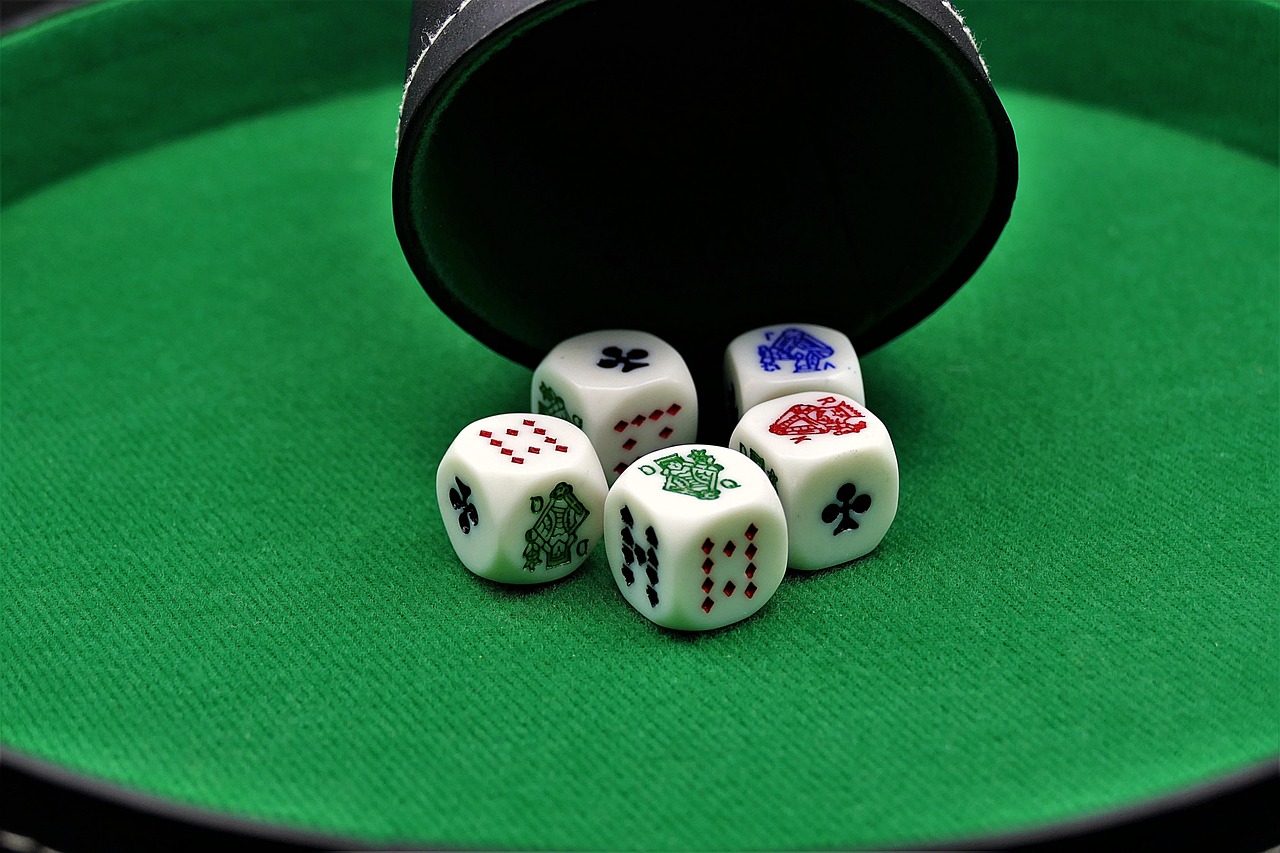
Here's the crucial distinction that separates poker from everything else in a casino: you're not playing against the house. You're playing against other players, and the house just takes a rake. That rake, typically 5% of each pot capped at $3 to $6 in live games, is the only structural disadvantage you face.
This means poker is beatable. Not easily, not quickly, and definitely not by everyone, but beatable in a way that slots and roulette simply are not. The edge comes from three places:
The rake means you need to be better than the average player at your table, not just better than the house. At low-stakes live games, most players are recreational and exploitable. Online, you're often sitting with semi-professionals running tracking software. Choose your battlefield accordingly. Further details are available through 78 WIN.
You can play every game perfectly and still go broke if you don't manage your money. This applies equally to slots, sports betting, and poker. The principles are simple, and almost nobody follows them.
Professional gamblers treat their bankroll like a business asset. They track every session, every outcome, and they evaluate their results over thousands of bets, not three weekends.
Every game in a casino is designed so the house profits over time. That's not a conspiracy, it's a business model, and it's regulated to be exactly that. Your job as a player isn't to beat the math, because you can't in games of pure chance. Your job is to minimize the edge against you, choose softer games where skill actually matters, and refuse to give back your wins through poor discipline. Pick high-RTP slots over low ones. Learn basic blackjack strategy. Treat poker as a long-term grind rather than a lottery ticket. And above all, never forget that the only guaranteed winner in any casino is the one who set the rules before you sat down.