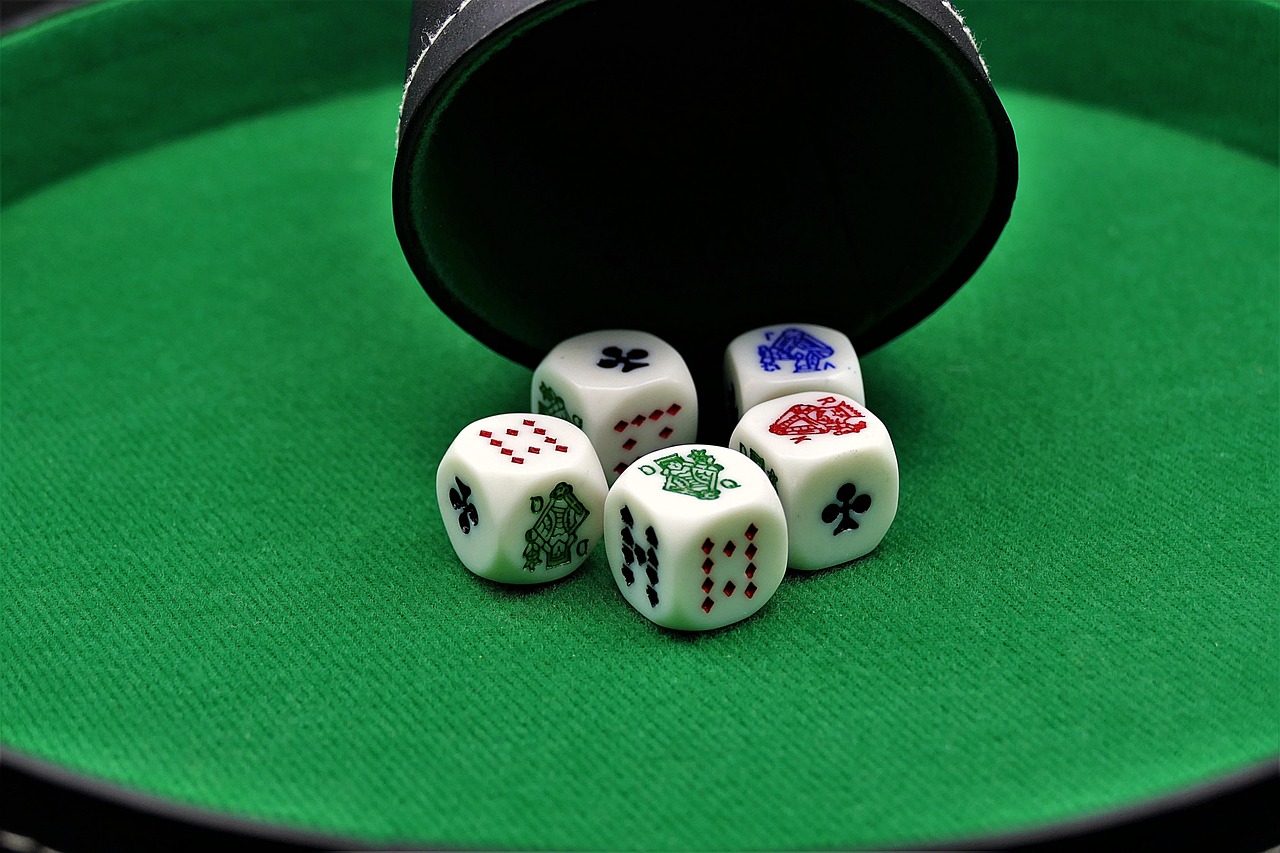
Here's a quick experiment. Pull up five slots with a "99% RTP" label and play 200 spins on each. You'll likely finish the session with five wildly different results — one draining fast, another crawling upward, another flatlining. Same theoretical return, completely different experience. That gap is volatility, and understanding it is arguably more valuable than knowing a slot's RTP. Most players obsess over the wrong number. Let's fix that.
RTP, or return to player, is a long-run average. A 96% RTP slot gives back roughly $96 for every $100 wagered — but that "roughly" could span billions of spins. It says nothing about what happens in your one-hour session. Volatility, sometimes called variance, describes the distribution of those returns: how often you win, how much you win, and how brutal the dry spells are. Anyone weighing up options should see SHBET.
Think of it this way. Low volatility slots are like a slow dripping tap — frequent small payouts, gentle swings, your balance erodes or grows at a steady pace. High volatility slots are more like a lottery ticket with a decent chance of hitting — long stretches of nothing, then a sudden surge that can be enormous. Neither is "better." They serve different bankrolls, different moods, and different session lengths.
The specific numbers vary by provider, but the principle is universal: more frequent small wins usually mean a lower top payout, and a giant advertised multiplier almost always implies colder spells between hits.
Every slot landing page screams about max win multipliers. It's a marketing hook. In reality, maximum wins on high-volatility slots sit at the extreme tail of the probability distribution — you might play 10 million spins and never come close. Industry data from a handful of UK-licensed titles suggests base-game max wins often have odds north of 1 in 100 million. Streaming celebs hit them, which creates an availability illusion. The slot didn't get "hot" because they played it.
Worse, these titles often have punishing base games. You sacrifice hit frequency for the dream of a monster bonus. On Money Train 3, for example, the base game can drain a £100 bankroll in under 30 minutes at £1 a spin. The bonus is where the money lives, and the bonus frequency is roughly 1 in 300–500 spins depending on RTP configuration. If you don't have the bankroll to reach bonuses regularly, you're effectively paying for a lottery you rarely enter.
None of this is to say avoid high-volatility slots. Just align your expectations with your reality.
A good rule of thumb, popularised by slot analysts and quietly encoded into many modern slot design documents, is that you want enough spins to survive a typical bad run. That usually means a bankroll of at least 100 to 200 bets for medium volatility, and 200 to 300+ bets for high volatility.
A quick table of thumb at a $1 spin:
And a hard, timeless rule: never raise bet size chasing a loss. It turns variance from a statistic into a catastrophe. Stake sizing is the only variable you truly control.
The concept isn't slot-exclusive. In poker, variance is why a strong tournament player can go 20 tournaments without a cash and a weak player can ship one on a lucky heater. Cash games have lower variance than MTTs; sit-and-gos sit somewhere in the middle. Buy-in selection should reflect your tolerance for downswings exactly like bet sizing on slots.
In sports betting, backing a 1.20 favourite (low variance, small returns) is a completely different activity to parlaying four underdogs at 15.00 (extreme variance, lottery-like outcome). A winning strategy can lose money over a genuine sample if its volatility is high enough — this is why bankroll planning and flat staking matter more than chasing a hot tip.
In blackjack, basic strategy reduces casino edge to roughly 0.5%, but doubling and splitting decisions add swings. A player betting $25 per hand with a $500 bankroll is gambling in a way a $5 bettor with the same bankroll simply isn't.
One annoying truth: not all casinos display volatility cleanly. Here's a repeatable process:
Stop treating RTP as a shopping list and volatility as an afterthought. The right slot is not the one with the biggest max win advertisement — it's the one whose hit frequency and swing size you can stomach all the way through a session without your finger hovering over the deposit button. A 96% RTP low-volatility slot can give you a genuinely fun two-hour session on $50. A 96.5% RTP high-volatility monster might give you four minutes of action and a lesson in Greek mythology. Same return, opposite experience. See SH BET for a side-by-side comparison.
Pick volatility first. Then pick the game. Then pick the bet size. Get that order right, and you'll stop blaming bad luck for outcomes that were priced into the design all along.