Every experienced player eventually runs into the same argument, usually around 2 a.m. in a poker room or in the comments section of a slot stream: is this all just luck, or does skill actually matter? The honest answer isn't a clean one, and anyone who tells you otherwise is either selling something or hasn't played enough hands. The truth sits somewhere in the middle, and where exactly depends heavily on which game you're sitting at.
Let's break down how luck and skill actually interact across slots, table games, poker, and sports betting, because treating them as one category is the fastest way to lose money. You can read more about it on mahjong ways.
Slot machines are the clearest case. There is no skill input that changes the outcome of a spin. Modern slots run on random number generators that cycle through thousands of outcomes per second, and the moment you hit spin is the moment the RNG locks in a result. Your timing, your bet size, your mood — none of it moves the math.
What you can control is which machine you play, and that matters more than most people realize. Every slot has an RTP (return to player) percentage, usually somewhere between 88% and 97% depending on the game and the jurisdiction. A 96% RTP slot returns $96 for every $100 wagered over millions of spins — the other $4 is the house edge. Over a short session, variance dominates and anything can happen. Over a long one, that 2% to 12% edge grinds you down.
A practical tip: pick a slot with an RTP of 96% or higher if you plan to play for hours. That 3-point gap between a 93% and a 96% game sounds trivial until you've wagered $10,000 chasing a bonus, at which point it's a $300 difference.
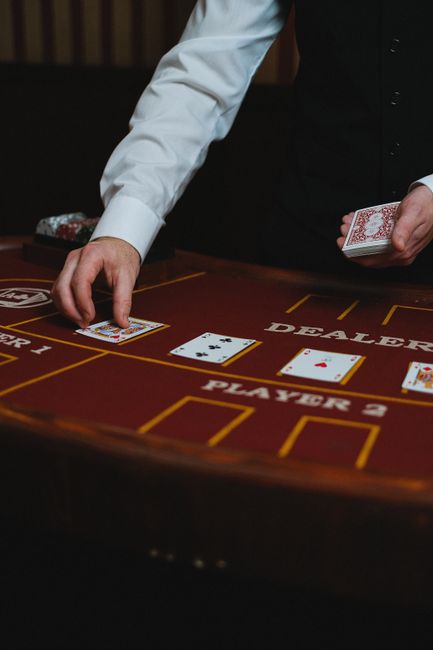
Blackjack is the classic example of a game where skill genuinely reduces the house advantage. Playing with basic strategy — the mathematically optimal decision for every hand against every dealer upcard — cuts the house edge from roughly 2% down to about 0.5% in a standard six-deck game. That's not a marketing claim; it's been simulated to death.
Card counting pushes it further, but only for players willing to learn it properly, and only in live games where the casino hasn't shuffled you into oblivion. Online blackjack with continuous shuffling machines eliminates counting entirely. So does any game where the deck is reshuffled every hand.
Other table games lean harder toward luck:
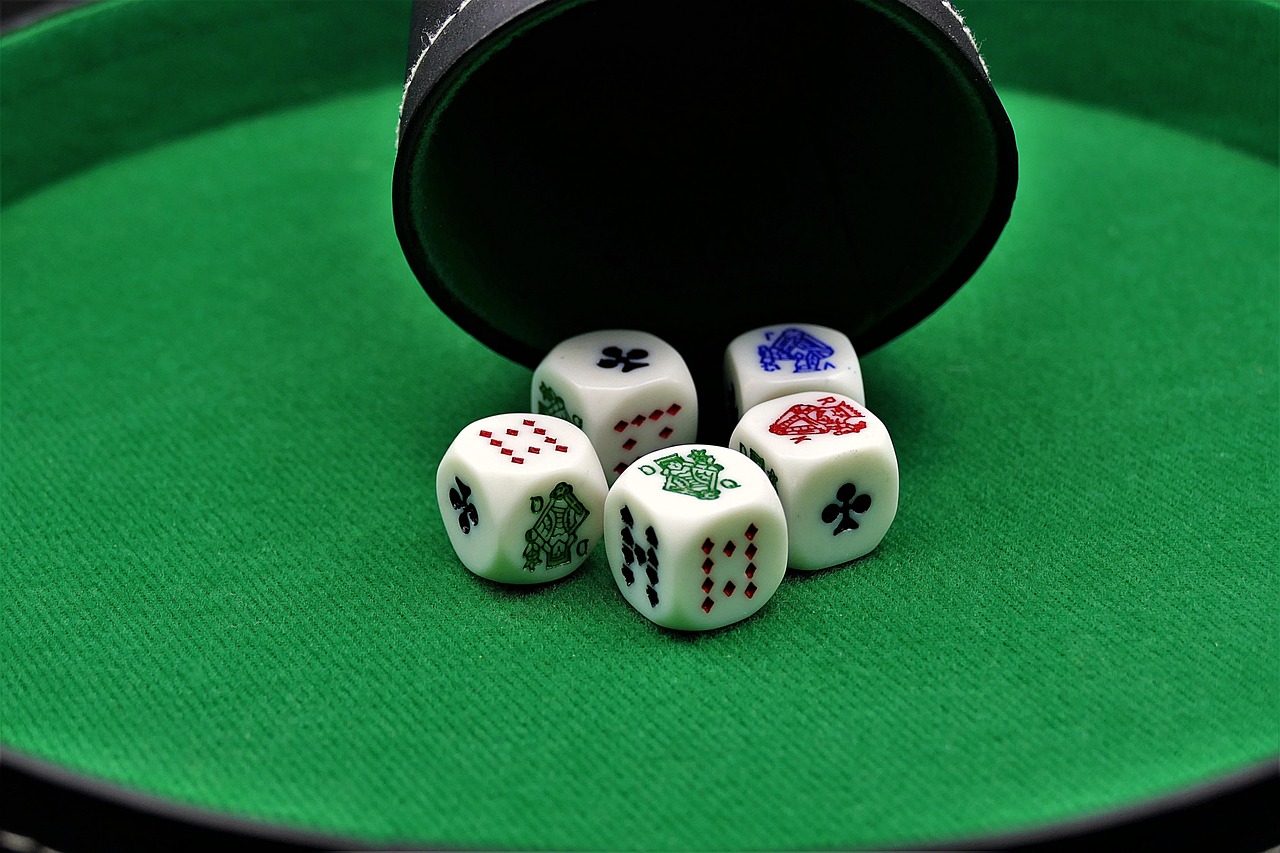
Poker is fundamentally different from everything else on this list because you're not playing against the house — you're playing against other people, and the house just takes a rake. That single structural fact means a skilled player can have a positive expected value over time.
That doesn't mean skill wins every session. A world-class player can lose to a beginner over 200 hands because variance in poker is enormous. But over 100,000 hands, the better player wins. The distinction between short-run luck and long-run skill is the entire discipline of poker strategy.
Where skill actually lives in poker:
If you're a beginner, start with fixed-limit or low-stakes no-limit hold'em. The rake eats less of your win rate, and the mistakes your opponents make are more obvious and more exploitable.
Sports betting sits between poker and pure casino games. The house takes a vig (typically around 5% to 10% depending on the market), and beating that edge requires consistently better information or analysis than the bookmaker's odds imply. Professional bettors do exist, but they operate with models, data, and sharp discipline — not gut feelings about their favorite team.
For recreational bettors, line shopping is the single most valuable habit. The difference between a -110 line and a -105 line on the same game sounds trivial, but over hundreds of bets it changes your results meaningfully. Comparative odds are one of the few genuinely free edges in gambling.
Stop thinking about luck and skill as opposites and start thinking about where you're playing. Slots and roulette are entertainment with a known cost. Blackjack and video poker reward strategy if you put in the study time. Poker and sports betting reward analysis, but only if you treat them like work rather than a night out.
The most common mistake isn't choosing the wrong game — it's misjudging which category a game falls into. Players who think they can "beat" slots through patterns or timing burn through bankrolls chasing ghosts. Players who treat poker as pure luck never develop the discipline to win.
Know the math, protect your bankroll, and play games where your effort actually changes the outcome. Everything else is just noise dressed up as strategy.